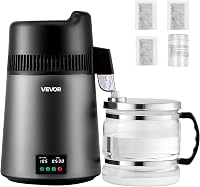
How to Use a Water Distiller
To use a water distiller, fill the boil chamber with tap water, put the lid and collection bottle in place, and press start. The unit boils the water, condenses the steam into the bottle, and shuts off on its own when the gallon is done.
On this page (8 sections)
- What do you need before the first run?
- How do you set up and run a distilling cycle?
- Do you need the charcoal filter?
- How do you replace the charcoal filters?
- How often should you clean the distiller?
- What are the most common mistakes?
- Is distilled water safe to drink every day?
- Which distiller should you start with?
To use a water distiller, fill the boil chamber with tap water, put the lid and collection bottle in place, and press start. The unit boils the water, condenses the steam into the bottle, and shuts off on its own when the gallon is done.
The whole job is mostly waiting. Setup takes a minute or two, and then the machine handles the rest while you go do something else.
What do you need before the first run?
You need the distiller, its collection bottle, and a supply of tap water, plus a spot near an outlet where the unit can sit undisturbed. Nothing else is required to start.
Unpack everything and check that the boil chamber, lid, nozzle, and bottle all arrived intact. Wash the bottle and lid with warm soapy water and rinse them well before the first gallon.
Set the distiller on a flat, dry counter with clearance around it for airflow. The Megahome unit measures about 10 x 10 x 14 inches and draws 580 watts, so give it room and keep the cord away from the sink.
Check the label on the base before you plug it in. The Megahome runs on 110-120 volts for use in the U.S. and Canada, so it's built for a standard household outlet rather than a 220-volt circuit.
If you haven't picked a machine yet, our guide to the best countertop water distiller covers the models worth comparing.
How do you set up and run a distilling cycle?
The cycle is fill, assemble, press start, and wait for the automatic shutoff. That's the entire routine, and it repeats the same way every time.
Step 1: Fill the boil chamber
Pour tap water into the stainless boiler up to the fill line marked inside. Don't go past it, since too much water can spill into the steam path and slow things down.
Step 2: Fit the lid and nozzle
Seat the lid so it sits flat, then place the porcelain-lined nozzle in its spot. The nozzle directs the steam toward the collection bottle.
Step 3: Position the collection bottle
Set the glass bottle under the nozzle and make sure the opening lines up. A bottle that's off-center lets distilled water drip onto the counter.
Step 4: Start the cycle and let it finish
Press the start button. The heating element brings the water to 212°F, and steam rises, leaves impurities behind, and condenses in the cooling coils.
Megahome says its unit produces 1 gallon every 5.5 hours. The machine shuts off automatically at the end of the cycle, so you don't have to watch it.
Step 5: Empty and repeat
Let the boiler cool, pour out the leftover water with its concentrated minerals, and start the next batch. Many households run one cycle overnight or while they're at work.
Do you need the charcoal filter?
Use the charcoal filter if your water is treated with chlorine. The filter catches volatile compounds that would otherwise carry over in the steam, and those are the ones that affect taste and smell.
The Megahome distiller ships with 6 optional activated charcoal filters. The maker says to use them when VOCs like chlorine are present, and to skip them when your water doesn't have that problem.
The full stainless build means water touches only metal and glass on its way through. That matters if you're bothered by the plastic taste some pitchers leave behind.
Because the water never meets plastic inside the boil chamber, upper steam dome, or condensing coils, there's no plastic aftertaste to filter out later. The glass bottle finishes the job, since the distilled water lands in glass and stays there until you pour it.
The UL listing is worth a mention too. Megahome points out that many home insurance policies require electrical products to be UL certified, and it calls its distillers one of the only UL approved water distillers available.
That's a safety detail rather than a usage step, but it's the kind of thing you check once and then forget.
Owners of larger households sometimes run two cycles back to back. One gallon covers drinking and cooking for a day or two in most homes, so plan your batches around how fast you go through it.
How do you replace the charcoal filters?
Replace the charcoal filter about once a month, or sooner if the water starts tasting off. The job takes less than a minute and needs no tools.
Rinse the new sachet in distilled water first to wash away loose carbon dust. Then set it in the funnel and run the distiller as usual.
The Green Piece filters are made from corn cellulose with coconut shell charcoal. Each sachet holds more carbon than a standard filter, so one replaces the pair some machines call for.
They fit most 1-gallon countertop units, not just Megahome. If you own a different brand, check the funnel size against the sachet dimensions of about 2.25 x 0.3 x 3 inches.
The sachets are sold as a 12-pack, which lines up with the once-a-month replacement schedule. Open one pack, rinse the sachet, drop it in the funnel, and the rest wait in the box until the next swap.
The plant-based material is a detail some buyers care about. Green Piece makes the sachets from GMO-free corn cellulose rather than a plastic mesh, and the charcoal itself is natural coconut shell carbon with no added chemicals.
If you're trying to keep plastic out of your water path, that's one more place it doesn't show up.
Write the swap date on the calendar or set a phone reminder. A filter left in too long stops absorbing odors and can start adding a musty note to the water.
How often should you clean the distiller?
Clean the boiler every few weeks, or whenever you see white scale building up. How often depends on how hard your water is; hard water leaves mineral crust much faster.
Scale is the main enemy of a distiller. It coats the heating element, slows the boil, and eventually makes the unit work harder than it should.
The Essential Values descaler is 100% citric acid powder and comes as 2 lb, which the brand counts as 20 uses. Mix it with warm water in the boiler and let it sit to dissolve the mineral film.
The brand says the formula works on Waterwise, KleenHome, Kleenwise, Kenmore, and other distillers. Pour the used solution out, rinse the boiler well, and run one clear water cycle before drinking the output.
The brand also notes the powder works on kettles, thermos flasks, water containers, and pots. If scale shows up in your kettle at the same time, one container of powder covers both jobs.
Citric acid is the reason the soak is gentle. There are no harsh chemicals in the mix, so it breaks down the mineral crust without attacking the stainless surface, and the brand says it leaves no aftertaste once you rinse.
For a full walkthrough of the process, see how to clean a water distiller. It covers soaking times, scrubbing tools, and what to do about stubborn spots near the element.
What are the most common mistakes?
The most common mistakes are overfilling the boiler, skipping the filter, and letting scale build up. Each one shortens the life of the machine or hurts the taste of the water.
Filling past the line is the easiest error to make. Water can bubble into the cooling path and end up in the bottle before it has fully distilled.
Another mistake is drinking the water while it's still hot. Let the bottle cool, or pour it into a pitcher and chill it in the fridge.
Don't run the distiller dry. If the boiler goes empty mid-cycle, the element overheats and can fail, so check the water level before you start a long overnight batch.
Some people also forget the bottle. A capped bottle keeps dust out, but a bottle left open next to the stove picks up cooking smells fast.
Is distilled water safe to drink every day?
Yes, distilled water is safe to drink, and distillation removes most contaminants, including minerals, bacteria, and heavy metals. It's also the standard choice for CPAP machines, steam irons, and car cooling systems.
The one thing to know is that distillation strips minerals like calcium and magnesium. Most people get those from food anyway, so it isn't a concern for typical diets.
If you want to keep some minerals, you can add a trace mineral drop to your glass. That's a personal choice, not a safety requirement.
People on medically restricted diets should check with their doctor before making distilled water their only source. That's especially true for anyone watching electrolyte intake.
Which distiller should you start with?
Start with the Megahome if you want a proven design with a stainless interior and glass bottle. Its 1-gallon cycle, automatic shutoff, and 1-year warranty make it a low-fuss first machine.
The brand has sold these units for over 22 years and backs each one with a 1-year warranty on parts and labor. The warranty covers defects and malfunction under normal use, so keep your purchase date and serial number handy in case you ever need service.
Our Megahome review style comparison against the VEVOR model shows how the two differ on build and capacity. If you're still shopping, the guide to the best water distiller for home use lays out the options by household size.
The routine itself doesn't change much between machines. Fill, start, wait, swap the filter monthly, and descale when the scale shows up.
Once you've run a few cycles, how to use a water distiller becomes second nature. The machine does the work, and your job is mainly keeping the boiler clean and the filter fresh.
Frequently asked questions
Can you drink distilled water straight from the machine?
Yes. The water in the collection bottle is ready to drink once the cycle finishes.
Let it cool first if you plan to pour it into a glass, and keep the bottle capped so dust and fridge odors stay out.
How much water should you put in the boiler?
Fill only to the line marked inside the boil chamber, never past it. Overfilling can push water into the cooling coils and slow the cycle, while running it dry can damage the heating element.
Why does distilled water taste flat?
Distilling removes minerals along with contaminants, and those minerals are part of what gives tap water its taste. Chilling the water or running it through the charcoal filter usually makes it more pleasant to drink.
Can you use distilled water for baby formula?
Many parents do, because distillation removes most contaminants. Check with your pediatrician and follow the formula maker's mixing instructions, since some formulas are designed to be mixed with boiled tap water instead.